

Quick answer
The cape verde whale watching best time runs from March through May, with peak sightings in late March and April when humpback whales gather in warm waters around Boa Vista and Sal to breed and nurse calves. Morning departures between 09:00 and 14:00 offer the best combination of calm seas and active whale behavior, particularly during the migration's height in early April.
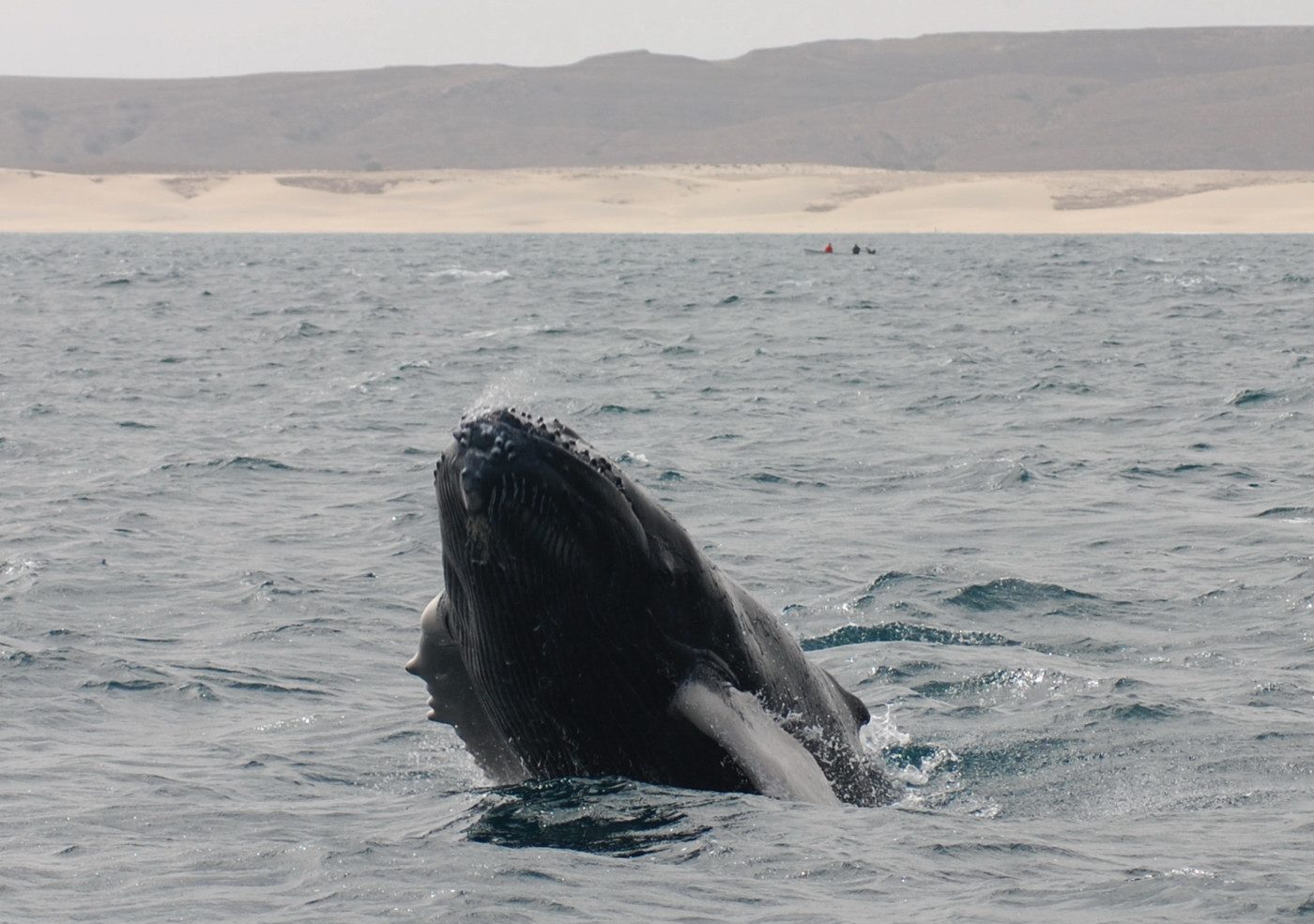
Humpback whales travel more than 5,000 kilometers from polar feeding grounds to reach Cape Verde's tropical archipelago each breeding season. The animals arrive in early March and linger through May, transforming the waters around Boa Vista Island into one of the Atlantic's most concentrated breeding grounds. Males perform elaborate songs audible through boat hulls, while mothers nurse newborn calves in the sheltered channels between islands. The cape verde whale watching best time guide centers on understanding this reproductive cycle. Late March marks the arrival of pregnant females, who give birth in the archipelago's warm currents before beginning the return journey north. April delivers the highest density of sightings as breeding activity peaks and calves gain strength for migration. By mid-May, most pods have departed, though stragglers occasionally appear through early June. Sea conditions also shape optimal whale watching cape verde timing—March and April bring calmer trades and clearer visibility than the variable winds of May. Boa Vista Island serves as the primary departure point for whale encounters. The eastern coastline faces open Atlantic waters where humpbacks breach, slap tails, and spy-hop within sight of volcanic slopes. Operators schedule morning departures to capitalize on the best conditions for Cape Verde whale season viewing, when offshore winds remain light and whales display active surface behavior. The migration spectacle occurs entirely offshore—no land-based viewing compares to boat encounters—and requires booking with licensed operators who navigate to known congregation areas. Whale watching in Cape Verde operates as a seasonal event rather than a year-round attraction. The brief window rewards careful planning with reliable sightings and uncrowded boat tours. Visitors who align travel dates with the late March to mid-April peak consistently report multiple whale encounters per trip, including breaches, pectoral slaps, and close approaches by curious juveniles.
“Males perform elaborate songs audible through boat hulls, while mothers nurse newborn calves in the sheltered channels between islands.”
Cape Verde Whale Watching Best Time: Seasonal and Daily Windows
The best window for Cape Verde whale watching is March–April on Boa Vista Island, when North Atlantic humpback whales are at their seasonal breeding and calving peak. Within the day, plan around 09:00–14:00, the optimal boat departure window for the peak migration season.
March–April peak
Highest tour demand66–78°F, dry and windy
This is the strongest seasonal choice for humpback whale activity around Boa Vista Island. Easter can fall in March or April, so visitor demand and tour availability may tighten during holiday weeks.
Late February
Moderate, building—
Whales may be present, but this is usually a build-up period rather than the core peak. Choose it if your dates are fixed, not if whale watching is the main reason for travel.
May shoulder
Thinning but worthwhile69–79°F, windy
May can still produce sightings, but the migration window is tapering compared with March and April. It suits travelers who prefer a quieter island rhythm and accept lower predictability.
Weekday 09:00–14:00
Usually easier logistics—
For daily timing, the 09:00–14:00 window is the clearest target for boat departures in peak season. Tuesday to Thursday often keeps planning simpler than holiday weekends or Easter-adjacent dates.
Verdict: For the best balance of season and daily timing, aim for Tuesday to Thursday departures between 09:00–14:00 in March or April on Boa Vista Island.
Cape Verde Whale Watching Best Time Costs and Fee Structure
Access to the coastal observation zones of Boa Vista Island is free of charge for all visitors. Please note that whale watching activities require a private boat tour, which carries an independent cost.
While island access is free, visitors pay varying rates for private boat tours depending on the selected operator and excursion duration.
Cape Verde Whale Watching Best Time Daily Operational Hours
Visitor infrastructure and planning support for whale watching expeditions on Boa Vista Island remain accessible throughout the week. Operational support is available daily to assist with trip coordination.
| Monday | 00:00–23:59 | |
|---|---|---|
| Tuesday | 00:00–23:59 | |
| Wednesday | 00:00–23:59 | |
| Thursday | 00:00–23:59 | |
| Friday | 00:00–23:59 | |
| Saturday | 00:00–23:59 | |
| Sunday | 00:00–23:59 |
Reaching Boa Vista for Cape Verde Whale Watching Best Time
Whale watching excursions depart from Boa Vista Island, Cape Verde. The most direct approach is by flying into Aristides Pereira International Airport (BVC).
International flight to Aristides Pereira International Airport (BVC)
Airport transfer to Sal Rei town center and harbor
Walk from Sal Rei hotels to the local departure docks
Cape Verde Whale Watching Best Time Visit Preparation
Prepare these essentials for whale watching during the March–April migration window.
-
Book your boat tour in advance — Operators fill quickly during peak humpback season.
-
Bring sun protection and a hat — Open-water exposure intensifies UV levels around midday.
-
Pack seasickness medication if prone — Ocean swells increase during migration months.
-
Carry binoculars for distant sightings — Whales surface unpredictably across wide zones.
-
Wear layered clothing for temperature shifts — Morning departures start cool; afternoons warm significantly.
-
Confirm departure time with your operator — Weather conditions may adjust the 09:00–14:00 window.
-
Bring a waterproof bag for electronics — Spray from waves can damage cameras and phones.
Check availability
Frequently asked questions about cape verde whale watching best time
Everything you need to know about cape verde whale watching best time